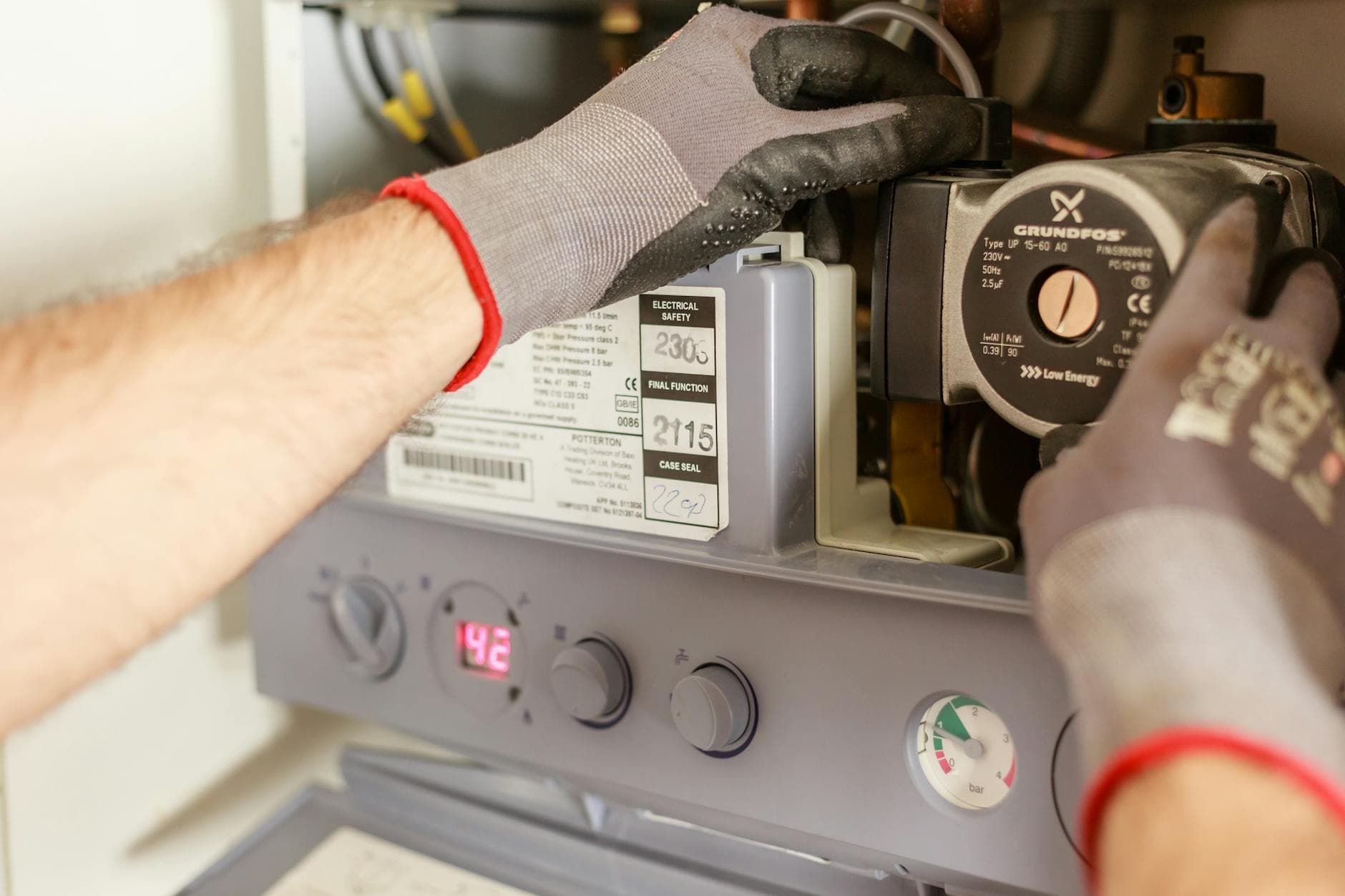
There are over 504,000 plumbers in the United States right now, all competing for the same customers. That number keeps growing. And while word of mouth still matters, it's not enough to keep your schedule full anymore.
The plumber who shows up first in Google when someone's basement is flooding at 2 AM? That's the plumber who gets the call. Not necessarily the best plumber, not the one with 30 years of experience, but the one who was easiest to find in a moment of panic.
This guide covers what actually works for plumber marketing in 2026. No fluff, no tactics that sound good but don't deliver. Just practical strategies backed by data and real results.
Why Plumbers Need Digital Marketing
The numbers tell the story: 97% of consumers search online for local services before making a hiring decision. For plumbing, that percentage is probably even higher because most plumbing needs are urgent. Nobody plans to have a burst pipe.
Think about how people find plumbers now:
- Standing in a flooded bathroom, phone in hand, searching "emergency plumber near me"
- Researching options during lunch break after noticing a slow drain
- Asking ChatGPT for recommendations (yes, this is happening more and more)
- Checking Google reviews before calling the number on a truck they saw
If you're not visible in these moments, you're invisible. Period.
The good news? Most plumbers still aren't doing digital marketing well. The bar is low. A few focused efforts can put you ahead of 80% of your competition.
Google Business Profile: Your Most Important Marketing Asset
If you do nothing else, do this: optimize your Google Business Profile (GBP). It's free, it takes a few hours to set up properly, and it's one of the highest-impact marketing moves you can make.
When someone searches "plumber near me," Google shows three local results in the Map Pack before anything else. 75% of clicks go to those top three results. If you're not there, you're fighting for scraps.
What a complete GBP profile needs:
- Accurate business name, address, and phone number
- All your service categories selected (plumbing, water heater repair, drain cleaning, etc.)
- Service area defined properly
- Business hours, including emergency availability if you offer it
- Photos of your team, trucks, and completed work (not stock images)
- Regular posts about your services or tips
- Responses to every review
Businesses with complete profiles are 70% more likely to attract location visits. That's not a small edge, that's the difference between your phone ringing and silence.
Google Guaranteed Badge
Consider signing up for Google Local Services Ads to get the Google Guaranteed badge. This puts you at the very top of search results and signals trust instantly. You only pay when someone actually contacts you, not for clicks. For emergency services like plumbing, this can be a game-changer.
Local SEO Essentials for Plumbers
Beyond your Google Business Profile, local SEO helps you show up in organic search results too. 46% of all Google searches have local intent, meaning people are looking for businesses near them.
NAP Consistency
Your Name, Address, and Phone number need to be exactly the same everywhere online. "123 Main St" and "123 Main Street" are different to search engines. Inconsistency hurts your rankings.
Local Citations
Get listed in relevant directories:
- Yelp
- Angi (formerly Angie's List)
- HomeAdvisor
- Better Business Bureau
- Your local Chamber of Commerce
- Industry-specific directories
Each consistent listing reinforces to Google that your business is legitimate and located where you say you are.
Service Area Pages
If you serve multiple cities or neighborhoods, create dedicated pages for each. "Plumber in [City Name]" with content specific to that area helps you rank for local searches. But don't create 50 thin pages with identical content swapping city names. That looks spammy and Google will penalize you for it.
PPC & Google Local Service Ads
Organic SEO takes time. If you need leads now, paid advertising gets you to the top of search results immediately.
Google Local Service Ads (LSAs)
For plumbers, LSAs are often the best paid option:
- You appear above regular ads and organic results
- You get the Google Guaranteed badge
- You only pay for actual leads (calls or messages), not clicks
- Customers can see your reviews right in the ad
Traditional Google Ads
If LSAs aren't available in your area or you want more control, Google Search Ads work well for plumbers too. Key tips:
- Target high-intent keywords: "emergency plumber," "plumber near me," "24 hour plumber"
- Use headlines that build trust: "Licensed & Insured" and "24/7 Service" boost click-through rates by up to 40%
- Set up proper negative keywords so you don't pay for searches like "plumber salary" or "how to become a plumber"
- Start with a small budget ($500-1,000/month), measure what works, then scale
Budget Reality Check
A common recommendation is spending 10-15% of your annual revenue on marketing. For a plumbing company doing $500,000/year, that's $50,000-75,000 annually, or roughly $4,000-6,000/month across all channels. Start smaller if you're just beginning and increase as you see results.
Reputation Management: Reviews Are Everything
Here's a stat that should get your attention: 80% of customers check online reviews before choosing a plumber. Your reputation online directly affects whether your phone rings.
How to Get More Reviews
The best time to ask for a review is immediately after a successful job, while the customer is still grateful:
- Ask in person before you leave ("Would you mind leaving us a Google review?")
- Send a follow-up text or email with a direct link to your Google review page
- Make it easy with a short link or QR code on your invoice
- Don't offer incentives for reviews (it violates Google's terms and looks fake)
Responding to Reviews
Respond to every review within 24 hours:
- Positive reviews: Thank them specifically. "Thanks, Sarah! Glad we could get that water heater replaced before the weekend."
- Negative reviews: Stay professional. Acknowledge the issue, offer to make it right, take the conversation offline. Future customers are watching how you handle problems.
A business that responds to reviews looks active and customer-focused. A business with unanswered reviews, especially negative ones, looks like they don't care.
A Website That Converts Emergency Calls
Your website might be the first thing a potential customer sees, or it might be where they go to verify you're legitimate after finding you on Google. Either way, it needs to do one job well: make it easy to contact you.
Mobile-First Is Non-Negotiable
Most plumbing searches happen on phones. Someone with water spraying everywhere isn't going to their desktop computer. Your website must work perfectly on mobile:
- Click-to-call phone number visible without scrolling
- Simple contact form (name, phone, what's the problem)
- Fast loading: 53% of mobile users abandon sites that take more than 3 seconds to load
Trust Signals
Display prominently:
- Your license numbers
- Insurance coverage
- Years in business
- Service area
- Google review rating
- Any certifications or manufacturer partnerships
Homeowners are wary of unlicensed plumbers. Make it obvious you're the real deal.
Real Photos, Not Stock Images
Stock photos of actors in hard hats destroy credibility. Use real photos of:
- Your actual team
- Your branded trucks
- Before/after shots of completed work
- You shaking hands with real customers (with permission)
Authenticity builds trust. Fake imagery does the opposite.
Email Marketing: The Highest ROI Channel
Email marketing delivers an average of $42 for every $1 invested and can reduce customer churn by 67%. Yet most plumbers ignore it entirely.
What to Send
- Maintenance reminders: "It's been a year since we serviced your water heater. Time for a checkup?"
- Seasonal tips: "5 ways to prevent frozen pipes this winter"
- Service promotions: "Schedule your spring plumbing inspection, 15% off this month"
- Company updates: New services, new team members, community involvement
Building Your List
Every customer interaction is a chance to collect an email:
- On your website contact form
- On invoices ("Get maintenance reminders")
- At the end of service calls
Even a small list of 500 past customers is valuable. These are people who already trust you. Staying in touch keeps you top of mind when they need service again or when their neighbor asks for a recommendation.
Social Media for Plumbers
You don't need to be on every platform. For most plumbers, Facebook and Instagram are enough.
What Works
- Before/after photos of jobs (these get shared)
- Quick tip videos ("Here's how to shut off your water main in an emergency")
- Team photos and behind-the-scenes content
- Customer testimonials and reviews
What Doesn't Work
- Posting once then disappearing for months
- Only promotional content ("Call us! We're great!")
- Ignoring comments and messages
Consistency beats perfection. One or two posts per week is plenty. The goal is staying visible to past customers and their networks, not going viral.
What About AI and ChatGPT?
More homeowners are asking AI assistants for recommendations. "Hey ChatGPT, who's a good plumber near me?" This is a real thing now, and the trend is growing.
How AI tools decide who to recommend is still evolving, but the fundamentals matter: strong online presence, good reviews, quality content, and being mentioned on reputable sites. The plumbers who are already doing digital marketing well are the ones showing up in AI recommendations.
Don't ignore this trend. It's not going to replace Google anytime soon, but the gap is closing.
Getting Started: Your First 30 Days
Don't try to do everything at once. Here's a practical starting point:
Week 1: Claim and optimize your Google Business Profile completely. Add photos, services, hours, and service area.
Week 2: Set up a system for requesting reviews after every job. Create a short link to your Google review page.
Week 3: Audit your website. Does the phone number work on mobile? Is it fast? Does it look professional?
Week 4: Pick one additional channel, either Google Local Service Ads, email marketing, or consistent social media, and commit to it for 90 days before evaluating.
Marketing takes time. Give each tactic at least 90 days before deciding if it's working. Quick wins exist, but sustainable growth comes from consistent effort.
Key Takeaways
-
Google Business Profile is your foundation. It's free and gets you in front of people actively searching for plumbers.
-
Reviews matter more than almost anything else. 80% of customers check them. Ask for reviews, respond to all of them.
-
Your website needs to work on mobile. Most plumbing searches are urgent, on phones.
-
Start with 2-3 channels, not everything. Master GBP and reviews before adding paid ads, email, or social.
-
Measure what matters. Track calls and booked jobs, not just website visits or social likes.
Want the complete picture? Check out our Contractor Marketing Guide for strategies that apply across all trades, including deeper dives on SEO, content marketing, and measuring ROI.
Looking for other trade-specific strategies? See our guides for electrician marketing and HVAC marketing.
Need help with your plumbing company's website or marketing? Get in touch for a free consultation on what would actually move the needle for your business.